Print Page
Thinking Big
10/25/2012
Industry pros
share advice for
a multifaceted
approach to gain
publicity and
exposure to help
push your music
career to the
next level
 |
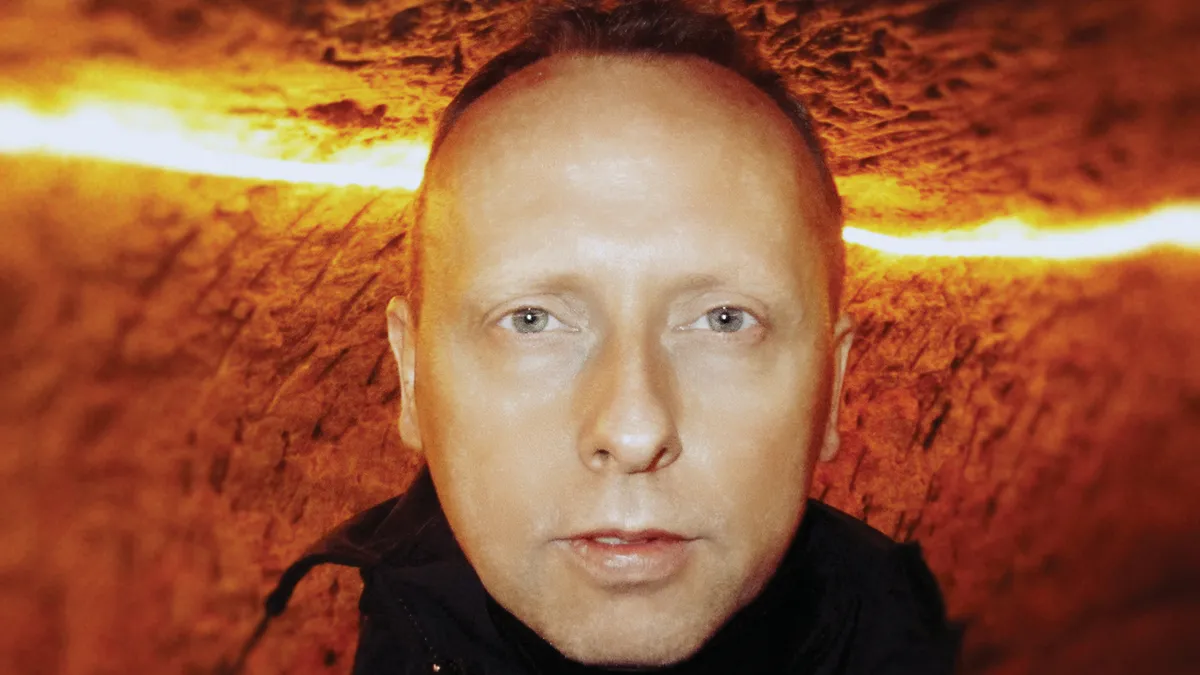
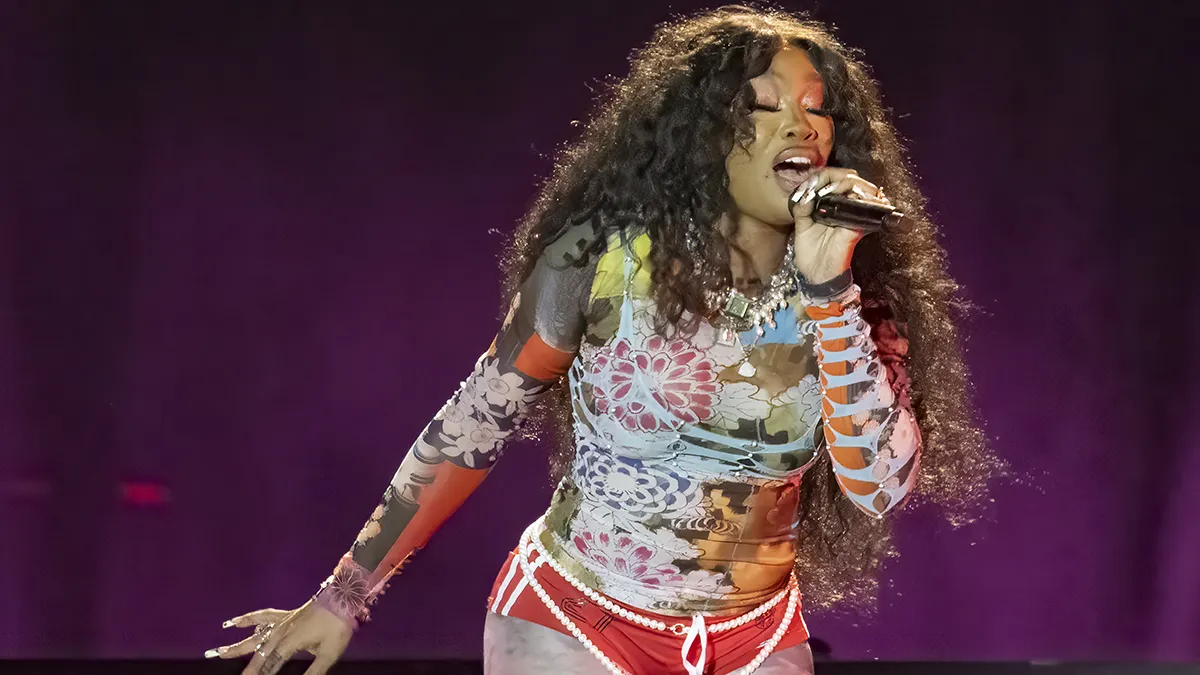
| Austra: a band with a plan. |
Chances are that as a musician, you’ve heard a lot of career advice
from a lot of people. We’re all familiar with the question, “How do you
get to Carnegie Hall?” Well, we all want to be “the next big thing,” but
the path to get there has radically changed. One thing’s for sure: The
answer isn’t just “practice, practice, practice.” Nowadays, you also
have to “promote, promote, promote.”
With today’s technology, the tools to produce
everything yourself are accessible and affordable.
However, there are legions out there just like you
who are doing the exact same thing. Social media
and music distribution websites are crowded
with thousands of DIY efforts. The chance of
these efforts impressing someone who can put
your career dreams on the fast track seems about
as likely as picking the right sequence of numbers
to win the lottery. So how do you rise above the
noise?
As much as we’d like to say having great
music is enough, publicity and exposure can
make or break an artist. Today, there is more
than one pathway to successful promotion of
your act. Electronic Musician talked to several
industry insiders, who shared valuable advice for
calculating your next steps toward stardom.
Forming a game plan Let’s assume that you’re
already good, and that you have something to
promote: Good music. A website, song clips,
YouTube videos. And let’s assume you have the
social media thing down, and that you’re touring,
at least locally. What next?
“I always recommend coming in with
certain goals to accomplish as an act,” says CMJ
Showcase Director Matt Macdonald. “Have
some goals set like finding a music lawyer or
a booking agent, or getting synchronization
licensing because a sync agent likes some of the
songs you’ll play. These goals will certainly vary,
depending on where you are at in your
career, but having goals other than just
being there is important.” Be ready to make
the most out what could be one of your
most important opportunities ever.
This is the time to have all of your
promotional materials together, whether
you’re launching a social media campaign,
booking local gigs, recording an album,
or applying to festivals. Think of this as
presenting your best possible resume; you
aren’t going to get the job by making a poor
impression.
Publicity, promotion, and the new
paradigm “It’s a cultural instinct to
wait to get picked,” author Seth Godin
wrote, concerning the waning influence
of industry ‘gatekeepers,’ on Seth’s Blog
(sethgodin.typepad.com). “To seek out the
permission and authority that comes from
a publisher or talk show host or even a
blogger saying, ‘I pick you.’ Once you reject
that impulse and realize that no one is
going to select you—that Prince Charming
has chosen another house—then you can
actually get to work.” That said, a little
publicity, done right, can go a long way.
You can handle PR yourself, or you can
bring in the big guns; it all depends on the
stage of your career. Publicists have an
omnipresent role in helping shepherd many
acts to fame. They have the contacts, know
the ropes and can help you climb them.
However, just like in any other aspect of
your business, you need to know when you
really need one (and when you can handle
the job yourself ), what they can and can’t
do for you, and how you need to prepare to
work alongside your team.
Laura Eldeiry, publicist at Nasty Little
Man PR, works the media front line for a
long line of major acts such as the The Foo
Fighters and Jack White, as well as newer
bands such as White Rabbits. She believes
bands should choose a realistic publicity
route for the stage of their careers. “A firm
like ours [is ideal] when they’re actually
selling music and touring enough to make
their sole livelihood. They should have a
real booking agent, a real manager, a real
label...otherwise, why hire a real publicist?
I think smaller, local acts are better off
hiring a friend who’s a big fan, or doing it
themselves. You can ask club promoters
for local media lists and contact them
yourself.”
Brian Bumbery started BB Gun Press
in 2011, after 17 years in PR, eight of them
at Warner Bros. His roster includes Green
Day, Muse, Metallica and many other
marquee acts, as well as emerging artists.
For Bumbery, the earlier an artist has a
publicist, the better. “A publicist can help
a band develop their story. The media, be
it blogs, magazines, TV or radio, are all
vehicles for an artist to get his/her points
across and reach the masses, and you’d
be surprised how many people have a
compelling story, but just have a difficult
time expressing themselves. Giving a great
interview is a performance unto itself, and
all it takes is a little practice.”
It’s important to have realistic
expectations about what a publicist can
and can’t do. “I think a misconception is
that we can build ‘buzz.’ when in fact, that’s
not what we aim to do at all,” Eldeiry says.
“We help shape careers. For smaller acts, it
is to help solidify their place in the music
world.” Bumbery adds, “Just because you
make an album, doesn’t mean people are
going to respond to it, listen to it or offer
you the cover of a magazine. Ultimately a
band’s or artist’s music is going to be the
thing that a blogger/journalist/TV booker/
producer will get first, and that music will
have to speak to them on some level. With
our relationships, we can get the music
to these people and in many cases get the
music listened to. It doesn’t mean they’re
going to like it.”
Once upon a time, getting signed
to a major label and getting airplay on
terrestrial radio put you on the path to
fame. There’s no denying the marketing
machine of a major label, and who doesn’t
want their song on the airwaves? But today
there are countless new options for bands
to get new music out to people’s ears and
gain fans.
Alexandra Greenberg is Vice President
at Mitch Schneider Organization, a veteran
PR firm that represents iconic and cuttingedge
artists ranging from David Bowie,
Aerosmith, and the Smashing Pumpkins
to Deadmau5, Paul Van Dyk, and Junkie
XL, as well as international festivals and
events such as the Vans Warped Tour
and Voodoo Fest. After working in PR for
more than a decade, Greenberg has seen
promotional channels evolve dramatically.
“Ten years ago, focus was on placements in
magazines (there were more of them then),
newspapers (there was more space in print
at that time for music), TV and fanzines,”
she says. “Nowadays, I’m pitching premiere
placements for song streams, downloads,
and videos on the web. Placements with
blogs and online counterparts to magazines
are also really crucial to the success of a PR
campaign.”
“There are many channels to work
with,” says Bumbery. “Developing an
artist is always the best for an emerging
artist. Start building the house from the
foundation up. Start seeding their music in
the blogs, both on a regional and national
level. It’s really important to not take a
band from their culture but to invite people
in. Continue to build the base with them
while they tour and then introduce them
to the larger media, late-night television
shows, etc.”
Panos Panay, CEO of Soncibids, which
helps more than 60,000 bands connect
to more than 26,000 promoters online, is
heavily involved in consumer branding
as an outlet for new music. “I won’t sit
here and tell you that labels have no
value,” he says. “Certainly, a 40- to 60-year
track record of knowing how to market
an artist an create a buzz is valuable.
However, they have a particular business
model and a specific way of marketing a
specific type of artist in a particular type
of way.” And these roles are changing, he
says: “Where radio (terrestrial) used to
be the channel, and the DJ was the editor,
or the channel was the retailer and the
editor was the buyer for Tower Records,
the concept of who’s editing to the masses
changes annually and monthly. Now it’s
channels like Spotify and consumer brands
presenting new music through extensive
social media connections. They have the
organization, budgets and marketing teams
in place already. Through a program we
have called Red Bull Sound Stage, one of
our acts is appearing on David Letterman
in September. I’ll tell you that as a guy who
came from the traditional music business
model, that any label or agent would
trip all over themselves to get a slot on
Letterman, because it’s one of a handful of
ways to reach such a mass audience.”
Bumbery offers his perspective from his
long tenure at a major label. “It appears that
the changes continue as they try to figure
out a new model,” he says. “I feel like the
amount to be gained to being signed to one
isn’t as big as it used to be. Of course, there
is more money for emerging artists, and
the labels are able to pull in more money
from the multi-rights deals. I have seen
this work well in some cases, but it’s in no
way a guarantee. As an indie for the past
two years, I’ve also been on the other side,
where I’ve worked with bands who have left
the major-label system, spent a lot less on
making and promoting their albums, hiring
the teams that they want to work them and
recouped in under two months.”
Eldeiry emphasizes a multi-faceted
approach, and a long-term strategy. “I
don’t think that there is any one thing that
will make or break a band. I would never
put more weight on festivals than I would
on a feature in a local alt-weekly. It is the
combination of all those things—as well as
good music!—that will build a career. Don’t
worry about hype or buzz...that is almost
guaranteed to go away. Focus on the things
that will shape your career, things that will
live forever. Your record will live forever;
an item on a big blog lives for about a day
before it’s archived and forgotten.”
The festival phenomenon Assuming
you’ve polished your stage act and are
touring or at least performing locally
regularly, showcasing at a festival is a
chance to take your act to the next level.
Arguably, the two most important
festivals are SXSW and CMJ. Each year,
literally thousands of bands submit their
applications for a coveted showcase slot.
The scale of these festivals is huge, with
attendance as large as 350,000 attendees
and 2,200 acts at SXSW, and 1,300 acts
playing CMJ. However, it’s important to
have realistic goals and expectations going
in. First, realize that a festival gig is not a
magic ride to stardom. Ask yourself, what
are you going to accomplish if you get in?
You’re going to have to make a significant
investment of travel expense, time and
effort, and there’s no guarantee of a return
on any of that. Are you ready to make the
supreme effort?
“There’s been a myth attached to the
festival where people assume that SXSW is
a place where young bands go to get signed,
says SXSW General Music Manager James
Minor. “It does happen sometimes, but this
is rarely the case. The proper mindset an
act should have when coming to play SXSW,
is that they are attending because they are
at the point in the career where they will
greatly benefit from the potential media
exposure and have the proper work ethic to
not only perform well, but to network and
promote themselves effectively with the
hopes of making the right connection which
could in turn elevate them to the next stage
in their career.”
Sonicbids.com is SXSW’s exclusive
submission engine; CEO Panay says pacing
and preparation are key. “The thing is, don’t
try too early in your act’s career. You should
have both experience and some very clear
objectives that you want to accomplish with
an important showcase opportunity. You
must be ready to stand out in the crowd;
if you aren’t doing that already, you aren’t
ready to showcase.”
“Having great music and a great
performance is the most important thing, a
history of some touring and playing notable
venues in their home town or elsewhere
is good, and certainly touring nationally
helps,” adds CMJ’s MacDonald. “We aren’t
looking for someone who’s just thrown
together some tracks in their bedroom.”
Panos stresses a point that’s important
to remember in any promotional efforts.
“You need to make sure your band’s
calendar is up to date. It is the single most
important marketing tool a band can have.
Where have you played? Are you playing
within a one-mile radius of your home, or
are you building credibility with regional
or national touring, or even getting gigs
outside your own country? Are you already
getting booked at well-known venues?”
Panos also emphasizes video as a key tool,
and it doesn’t have to break your band’s
budget: “With videos being inexpensive or
even free to make with an iPhone, having
a solid idea of what the band looks/feels/
sounds like live onstage is very important.
Give me something cheaply produced that
really shows the band’s stage presence and
the way an audience responds to them over
some $10,000 slickly produced video that’s
made as though you were marketing it to
MTV.”
Minor adds, “The key thing that artists
need to keep in mind is that they should
provide us with an application that’s as
complete as possible. Uploading a few
songs, videos, and select press are essential,
but including more information can really
make a difference. Did you tour the US
a few months ago? If so, that’s a great
thing for us to see. Do you have a booking
agent, publicist or manager? Once again,
even though these are not detrimental to
acceptance, they are good things for us to
know about.”
Once you secure a spot, remember that
being on the show roster doesn’t guarantee
an audience for your set. You’ll need to
promote yourselves through as many
methods as possible right up to your last
tune up and first song count off. Blog about
your experiences on the road to the show,
pass out flyers once you are there, update
your fans and potential audience on your
Facebook page and Twitter feeds, go out
and talk yourselves up in person to anyone
and everyone. You want a packed house?
Bring friends to help you if you can. You
are going to have to earn your audience,
because there will be a tremendous amount
of other acts playing all over town at the
same time as you. We asked, are there
common traits among the acts that have
gained the most showcasing?
James says, “My personal favorite recent
example of this would be Austra. They
came to SXSW in 2011 with a really
well-thought-out plan, the backbone of
which was non-stop touring. They toured
before the festival to spread their name
around, came to SXSW and played a very
select handful of shows, and pretty much
continued touring through the end of the
year. Now, the fact that Austra have a great
record and live show aided their success
quite a bit, but I wholeheartedly believe
that SXSW was a pinnacle moment for
them. Austra paid their dues and did those
tours where no one was there. I firmly
believe that if you have something special,
and back it up with hard work, people will
take notice.”
“If there was a basic formula, I’d be a
wealthy man” says Macdonald. He cites
Alabama Shakes at last year’s CMJ as a
great example. “They didn’t have a lot of
name recognition coming into the event,
but they put on a great show to the right
people, and word just spread from there.”
This all reinforces a key point: No
amount of publicity or exposure will help
you get to the next level if you don’t have a
solid foundation of a strong work ethic, a
willingness to “own” your career, and really
good music. “Just because you record an
album doesn’t mean people will like it or
listen to it,” says Bumbery. “Just because
you’re on festival bill doesn’t mean people
are going to show up and watch you. You
better make that performance memorable.
“Things don’t happen overnight,”
Bumbery continues. “It takes hard work on
all fronts. Artists should never wait for a
record label, publicist, or promoter. There
are many things they can to get the
ball rolling even while recording their
album. Don’t wait for anyone.”
Craig Dalton is a freelance writer, musician,
and Recording Academy member who has
contributed features and reviews to both
Electronic Musician and Mix magazines.
Print Page